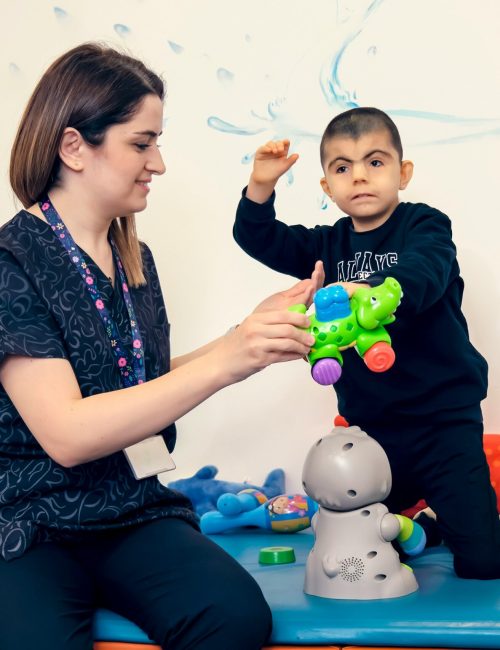
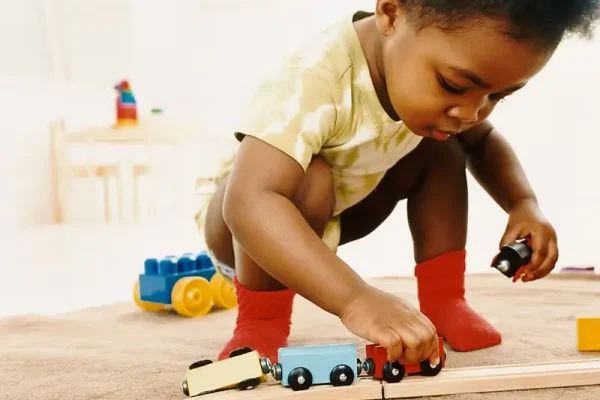
Helping Children Thrive with Compassionate ABA Therapy.
We combine compassionate care with the latest technology to enhance children communication, daily living skills, and socialization.
We accept most insurance providers
About Harmony ABA Centers
Evidence-based care, family-centered approach
At Harmony ABA Centers, we believe every child deserves the chance to grow, connect, and thrive on their own terms.
Registered Behavior Technicians (RBTs) design individualized treatment plans rooted in Applied Behavior Analysis — the most researched and effective approach for children with autism and other developmental needs.
1:1
Therapist-to-child ratio
BCBA
Katy, TX
2 - 12
Our ABA Therapy Services
Behavior Support
Our behavior support services use evidence-based ABA therapy to help children with autism develop positive, functional behaviors. Each treatment plan is tailored to your child’s unique needs, focusing on reducing challenging behaviors while teaching communication, emotional regulation, and everyday life skills. Our goal is to help children succeed at home, in school, and within their community.
Social Skills Development
Building meaningful relationships starts with strong social skills. Through individualized and group ABA therapy sessions, we help children improve communication, take turns, share, understand social cues, and build confidence when interacting with others. Every session provides structured opportunities to practice real-life social situations in a supportive environment.
Skill Building
Our skill-building programs help children develop the communication, self-care, academic readiness, and daily living skills they need to become more independent. Using personalized ABA therapy strategies, we break complex goals into achievable steps and celebrate every milestone as your child grows in confidence and ability.
Parent Coaching
Parents play a vital role in every child’s success. Our parent coaching program provides practical ABA strategies, guidance, and ongoing support to help families reinforce skills outside of therapy. By working together, we create consistency between therapy sessions and everyday life, helping children make lasting progress.
Home & Community Support
Learning doesn’t stop at the clinic. Our in-home and community-based ABA therapy services help children apply the skills they learn in familiar, everyday environments. Whether at home, in the neighborhood, or during community activities, we focus on building confidence, independence, and lasting success in real-world situations.
Individualized Treatment Plans
Every child is unique, and their therapy should be too. Our Board Certified Behavior Analysts (BCBAs) conduct comprehensive assessments to create individualized ABA therapy treatment plans based on your child’s strengths, challenges, and goals. We continuously monitor progress and adjust each plan to ensure meaningful, measurable results for every child and family.
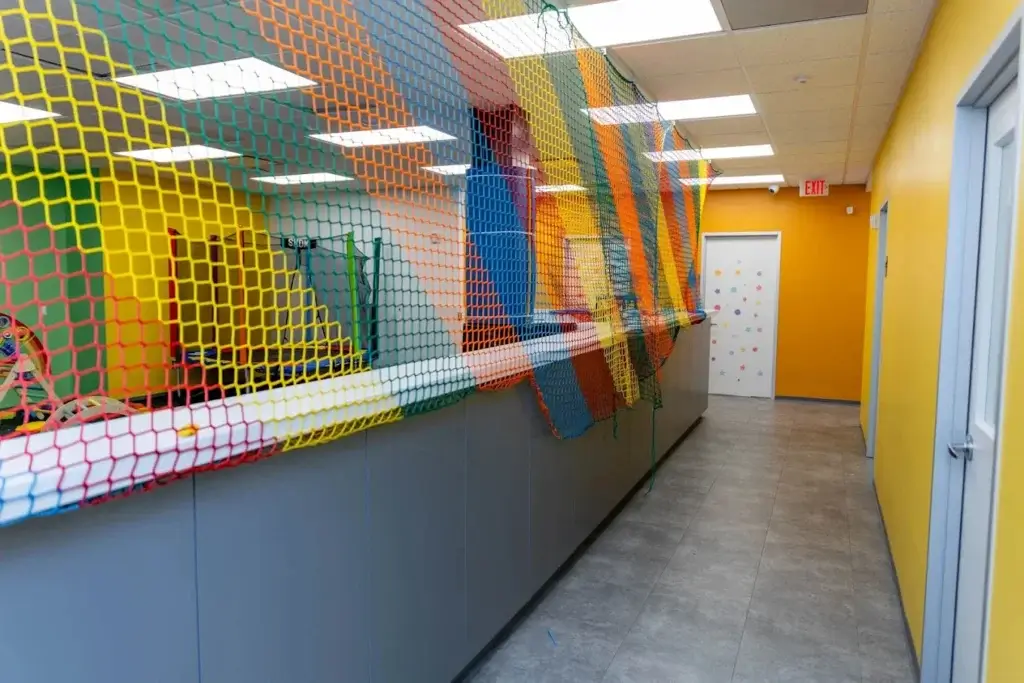
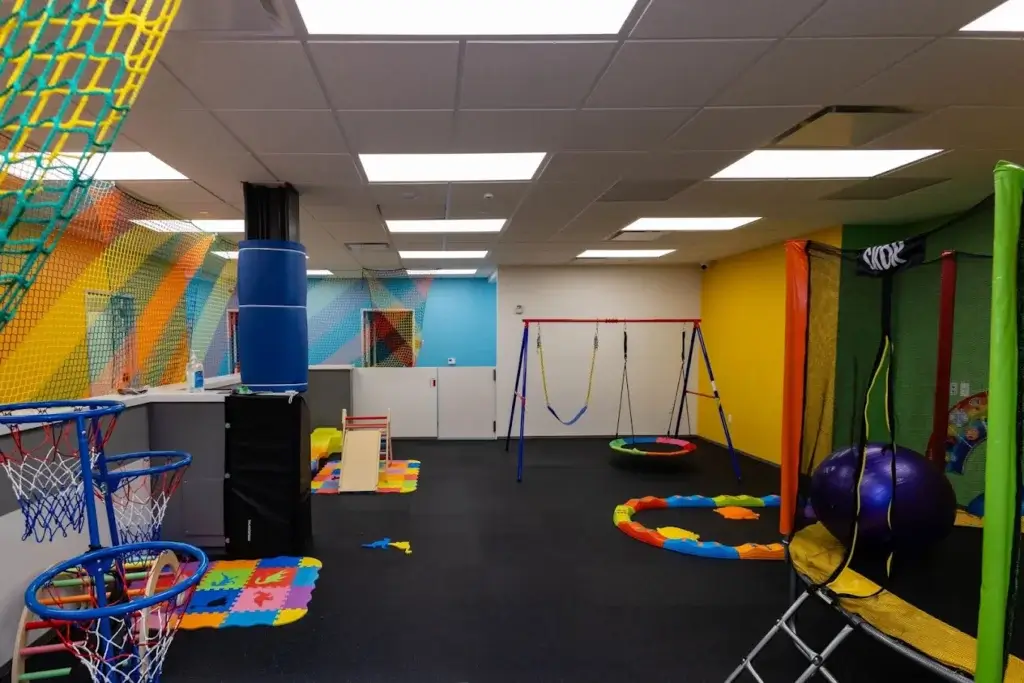
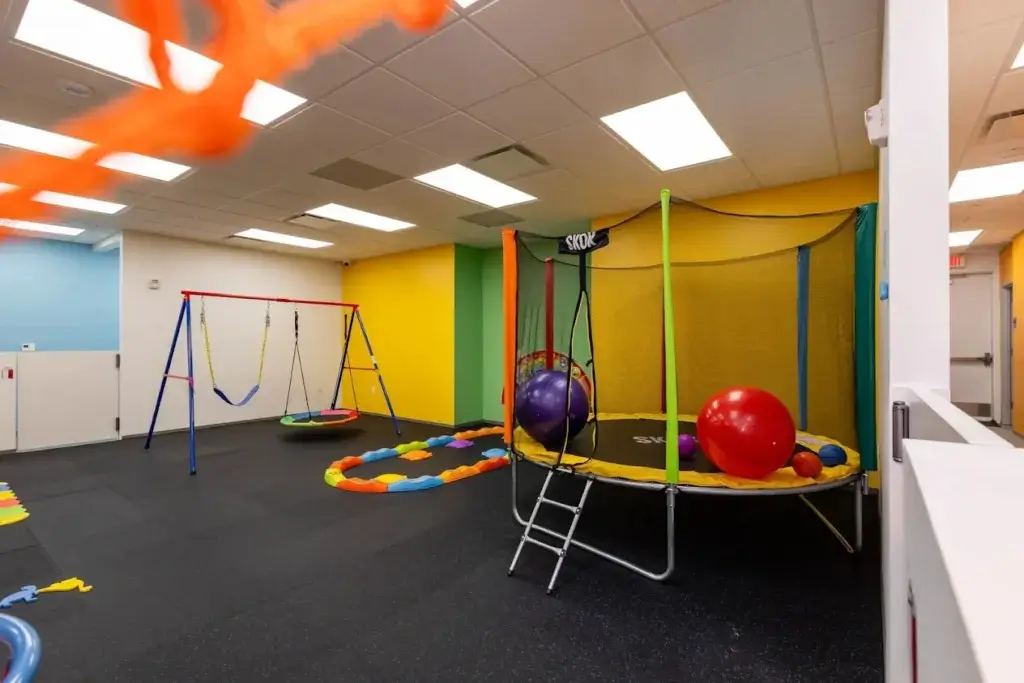
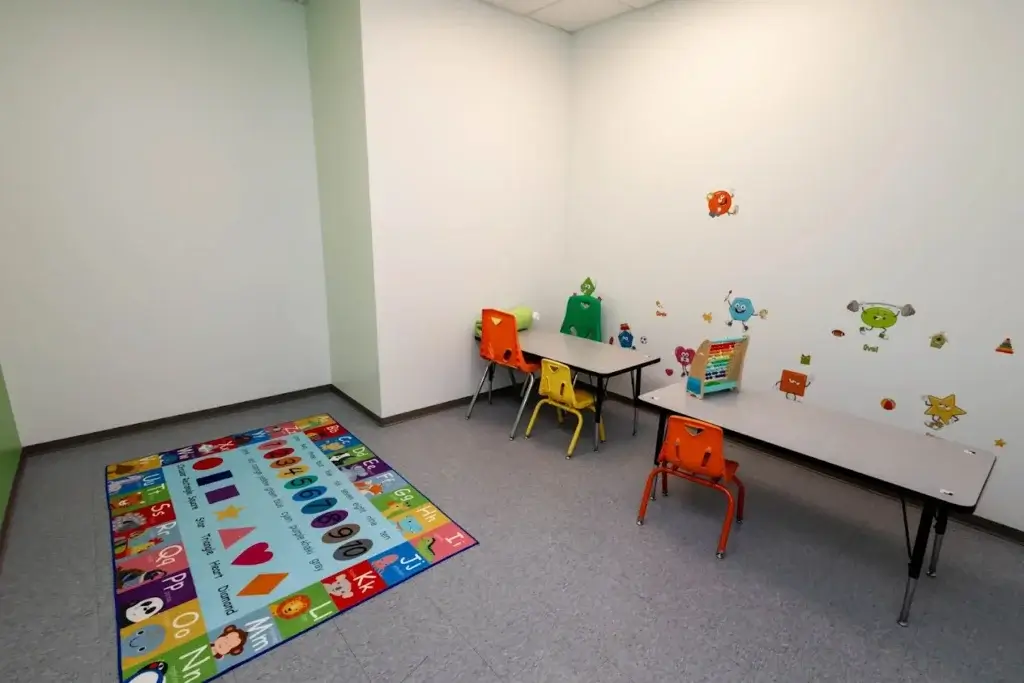
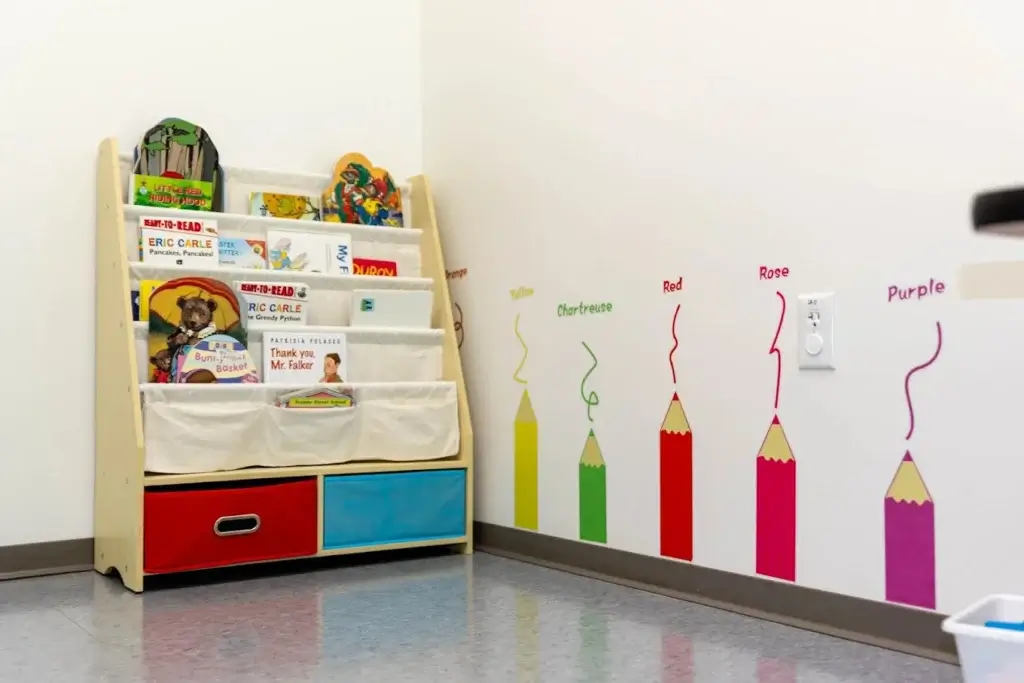
Explore our Facility
Every space has been thoughtfully designed to meet each child’s unique needs, helping them build confidence, develop new skills, and reach their fullest potential at their own pace.
Discover Why Families Choose Us
Real, measurable progress
Early Intervention
We start early when it matters most. Greater impact for your child future.
Social Skills & Peer Groups
Your child practices with supportive peers. Real skills for real-world success.
Parent Training & Support
We empower families. Progress continues at home, not just in sessions.
How To Get Started
From first call to first session
01
Free Consultation
We learn about your child and answer your questions about ABA and insurance coverage.
02
Assessment
03
Custom Treatment Plan
04
Intake Process
What Families Say About Us
Evidence-based care, family-centered approach
Their staff is not only knowledgeable but also incredibly compassionate, taking the time to listen to our concerns and address them with empathy.
It’s refreshing to find a team that prioritizes a family-oriented environment, making us feel Their staff is not only knowledgeable but also incredibly compassionate,

Sommer Brown
Such a great a school! My son loves it here and they are so attentive and caring to his needs. He’s done wonderful since attending Harmony!
Aubrey Patterson
Harmony ABA has been such a supportive and caring part of our journey, and we are incredibly grateful for the kindness and patience their team shows every day. The therapists truly care about the children and families they work with, and it shows in every interaction. Our son has benefited greatly from their support!
Holly Legare
Commonly Asked Questions
We Are Here to Help Your Child Thrive
What is ABA Therapy?
ABA (Applied Behavior Analysis) is a science-based approach to understanding behavior and how it changes. We use evidence-based techniques to help children with autism build new skills, reduce challenging behaviors, and increase independence. ABA is endorsed by the CDC, Surgeon General, and autism organizations worldwide.
Does Insurance Cover ABA Therapy in Texas?
Yes! Texas Insurance Code Chapter 1355 mandates that insurance plans cover medically necessary ABA therapy for autism. This includes Medicaid, private insurance, and self-insured plans. At Harmony ABA Centers, we verify your coverage at no cost and handle all insurance billing.
What Age Can My Child Start ABA Therapy?
Children as young as 2 years old can benefit from ABA therapy. Early intervention is crucial—research shows children who start therapy before age 5 often make the most progress. However, children of any age can benefit from ABA treatment.
How Long Does ABA Therapy Take?
Progress timelines vary by child. Many families see noticeable improvements within 3-6 months of consistent therapy. Long-term outcomes are best with early intervention and intensive hours (20+ hours per week). Your BCBA will discuss realistic timelines based on your child’s goals.
How Do I Know If My Child Needs ABA Therapy?
Common signs include: limited eye contact, delayed speech, repetitive behaviors, difficulty with transitions, sensory sensitivities, limited pretend play, difficulty understanding social cues, focused narrow interests, motor delays, or challenges with daily living skills. If your child shows several of these signs, talk to your pediatrician about an autism evaluation.